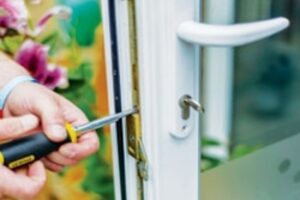
Door Lock Mechanism Replacement: A Comprehensive Guide
Door locks are an essential component of home security, providing safety and defense against unapproved gain access to. Over time, nevertheless, these mechanisms can end up being worn out or harmed, requiring replacement. This post intends to guide readers through the procedure of door lock mechanism replacement, highlighting the importance of picking the ideal lock for ideal safety and convenience.
Understanding Door Lock Mechanisms
Before delving into the replacement process, it is crucial to understand what a door lock mechanism involves. A door lock mechanism makes up numerous parts, consisting of:
- Cylinder: The part where the key is placed and turned to open the door.
- Bolt: A metal piece that extends into the door frame, securing it in location.
- Latch: A spring-loaded bolt that allows the door to close without the requirement for a key.
- Strike Plate: The metal plate attached to the door frame, which gets the bolt.
- Faceplate: The decorative cover that conceals the mechanism within the door.
Lock mechanisms come in numerous types, including deadbolts, knob locks, and smart locks. Each type has its own functions and benefits, which can appeal to different security needs and preferences.
Factors for Replacing a Door Lock Mechanism
There are several reasons homeowners may think about replacing their door lock systems:
- Key Loss: Losing a secret can pose a substantial security risk, making it vital to change the locks to avoid unauthorized access.
- Use and Tear: Over time, locks can break due to regular usage, leading to difficulties in locking and unlocking.
- Upgrading Security: Homeowners might wish to upgrade to a more secure lock mechanism, such as a smart lock or a high-security deadbolt.
- Robbery or Break-in: If a break-in happens, replacing the locks is important to restoring security.
Tools Needed for Door Lock Replacement
Before beginning the replacement process, it is important to collect the required tools. Here is a list of tools that will simplify the task:
- Screwdriver (flat and Phillips)
- Drill (if essential)
- Measuring tape
- Shatterproof glass
- Work gloves
Steps to Replace a Door Lock Mechanism
Replacing a door lock mechanism can be a simple job if the ideal steps are followed. Below is a step-by-step guide:
Step 1: Choose the Right Replacement Lock
Before elimination, select a replacement lock that meets your security needs. Think about aspects such as:
- Security ratings (ANSI/BHMA scores)
- Type (deadbolt, knob, and so on)
- Compatibility with your door
Action 2: Remove the Existing Lock
- Loosen the screws: Locate the screws on the interior side of the door that holds the lock in location. Utilize a screwdriver to loosen up and remove them.
- Secure the lock: Once the screws are eliminated, pull the lock mechanism out of the door.
- Eliminate the strike plate: If you are changing the whole assembly, get the strike plate from the door frame.
Step 3: Prepare for the New Lock
- Tidy the area: Wipe down the door hole and frame to ensure the new lock fits smoothly.
- Procedure for compatibility: Measure the backset (the distance from the edge of the door to the center of the lock) and the diameter of the bore hole to match your new lock.
Step 4: Install the New Lock Mechanism
- Insert the new lock cylinder: Position the new lock in the ready hole, feeding the cylinder through the hole.
- Connect the faceplate: Secure the faceplate to the door using screws supplied with the new lock.
- Set up the strike plate: Place the strike plate on the door frame and secure it with screws, guaranteeing it lines up with the bolt when the door is closed.
Step 5: Test the New Lock
Once the installation is complete, evaluate the new lock mechanism several times to ensure it functions correctly. Inspect for smooth operation, and make modifications if needed.
Upkeep Tips for Door Locks
To extend the life of a door lock mechanism, house owners ought to think about the following upkeep ideas:
- Lubricate periodically: Use a silicone-based lubricant to keep the lock operating smoothly.
- Regularly inspect: Check the lock for any indications of wear or damage.
- Secure the door: Ensure that the door frame is tough and without damage to support the lock effectively.
Replacing a door lock mechanism is a crucial task for maintaining home security. By understanding the types of locks offered, the tools needed, and the actions associated with the replacement process, house owners can ensure their premises stay secure and well-protected.
FAQs
Q1: How typically must I replace my door locks?A1: It is recommended to evaluate your door locks every 3-5 years or whenever you see problems with the lock. Replacement might be essential immediately if you've lost your secrets or experienced a burglary. Q2: Can I replace a door lock myself?A2:
Yes, the majority of door lock replacements can be done by property owners with standard DIY abilities. Following the outlined steps thoroughly will facilitate the process. Q3: What kind of lock offers the very best security?A3: High-security locks, such as deadbolts with ANSI Grade 1 ratings or smart locks that provide sophisticated features, offer exceptionalsecurity. repairmywindowsanddoors.co.uk depends on particular security requirements and door types. Q4: Is it required to replace locks after moving into a new home?A4: Yes, it is highly advised to change the locks upon moving into a new home to prevent unauthorized gain access to by previous owners or their associates. By understanding the mechanics behind door locks and the replacementprocedure, house owners can with confidence secure their homes and enhance their overall safety.